Generative AI – Slide 9 Explained
Understanding how Generative AI models interpret patterns and transform them into new outputs
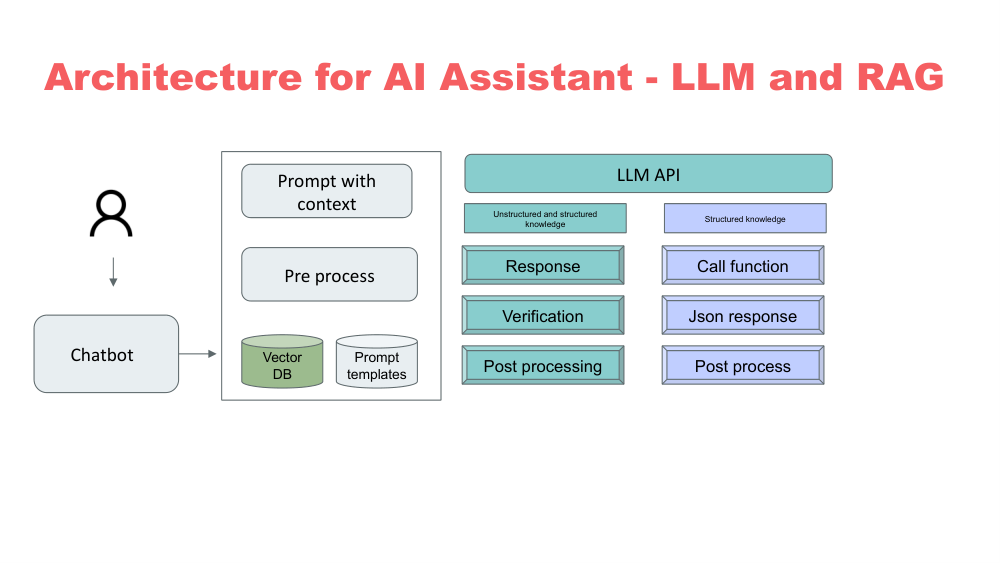
Understanding how Generative AI models interpret patterns and transform them into new outputs
Slide 9 introduces the core concept of how Generative AI learns patterns from data and uses internal representations to generate new, meaningful outputs. It highlights how models transform inputs into embeddings and then use complex neural layers to predict the next element in a sequence text, images, audio, or code.
Numerical representations of words, pixels, or tokens that capture meaning and relationships.
Transformer layers analyze context, learn dependencies, and refine predictions.
The model predicts one token at a time, feeding each back into itself to continue generating.
Text, images, or other data are converted into tokens.
Tokens become vectors representing semantic meaning.
Transformer layers analyze relationships and context.
The model outputs new content based on learned patterns.
Chatbots, content creation, summarization, translation.
Art creation, design prototyping, visual concept generation.
Voice synthesis, music generation, audio restoration.
Autocompletion, debugging, code translation.
It shows how inputs are transformed into internal representations that enable new output generation.
They capture meaning, context, and relationships in numerical form.
Patterns, probabilities, semantic connections, and structure in the training data.
Explore more slides and dive deeper into how modern AI models work.
Next Slide