Generative AI – Slide 54 Explained
A clear explanation of the concept illustrated in slide 54 with examples, applications, and technical insights.
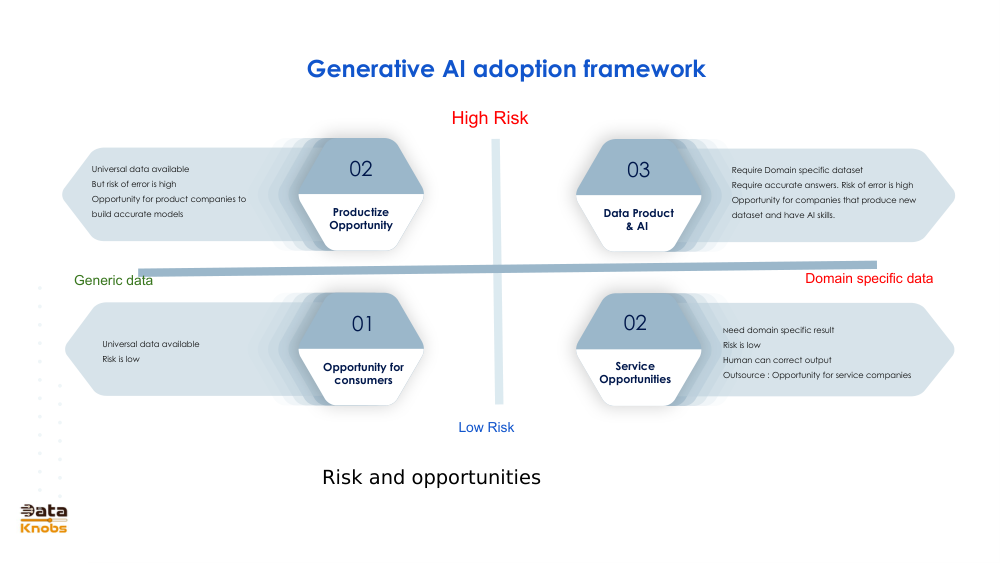
A clear explanation of the concept illustrated in slide 54 with examples, applications, and technical insights.
Slide 54 introduces the concept of how Generative AI models transform inputs into new, original outputs using learned patterns. It emphasizes the shift from traditional rule‑based systems to probabilistic, data‑driven generation that adapts across modalities like text, images, code, and audio.
Models learn statistical relationships between tokens or pixels to create new content.
Outputs are sampled from probability distributions learned during training.
Same underlying architecture (like transformers) can produce text, images, or audio.
Convert text or images into numeric representations.
Model predicts the next token or pixel using learned weights.
The next output unit is chosen based on probabilities.
Generated units are combined into the final content.
Email drafting, article creation, summarization.
Art creation, product visualization, concept design.
Autocompletion, debugging assistance, full script creation.
It highlights how generative models turn patterns in data into new content through probability‑based prediction.
No, models use sampling, meaning multiple outputs are possible from the same prompt.
Generative AI expands automation beyond structured tasks into creative domains.
Explore deeper concepts and build real‑world projects.
Start Now