Generative AI Tutorial Slide 78
A clear explanation of the concept illustrated in Slide 78, including applications, technical insights, and real‑world examples.
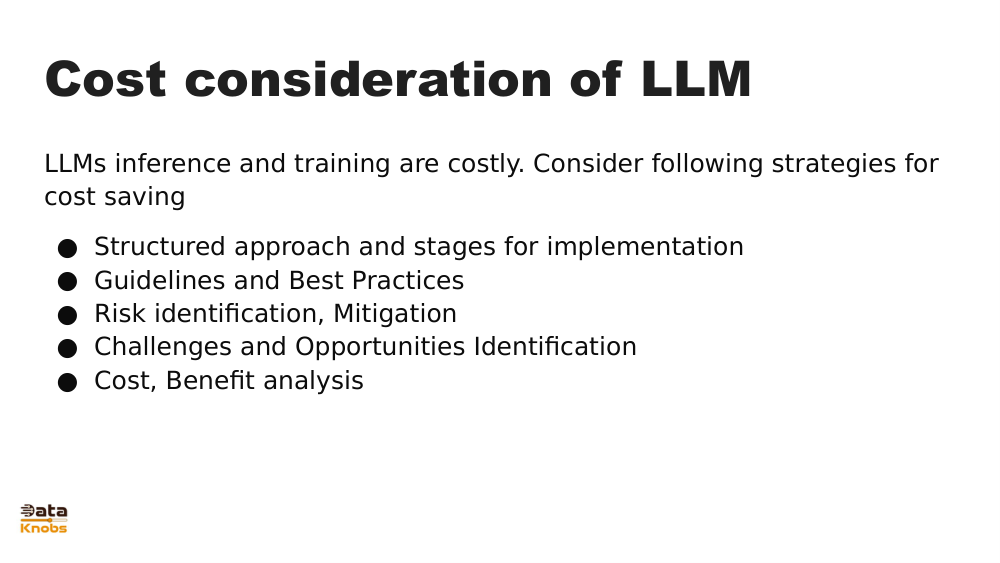
A clear explanation of the concept illustrated in Slide 78, including applications, technical insights, and real‑world examples.
Slide 78 focuses on how generative AI models transform input signals into meaningful outputs by learning statistical patterns from large datasets. The slide highlights the relationship between input prompts, latent representations, and final generated outputs.
A compressed representation where models encode meaning, patterns, and relationships.
The process of guiding the model by providing structured text or image inputs.
Converting latent features back into new content such as text, images, or audio.
The user provides a prompt, image, or structured instruction.
The model transforms the input into a multidimensional latent vector capturing meaning.
Using learned probability distributions, the model generates new structured outputs.
Text creation, blogs, scripts, and marketing content.
Artwork production, product concept art, and visual design.
Synthetic data for training and testing models safely.
Code generation, workflow optimization, and task automation.
It highlights how generative models translate prompts into latent vectors and generate meaningful outputs through learned probability structures.
Yes, although the architectures differ, both use latent representations to guide output generation.
No. It learns patterns and correlations, not exact data copies.
Deepen your understanding of generative models and modern AI workflows.
Continue Learning